



Come & explore the wild side in Sariska National Park
Sariska National Park – A Land Where the Wild Roars
Sariska National Park, located in the Alwar district of Rajasthan, India, spans over 800 square kilometers and is part of the Aravalli Range. Established as a wildlife reserve in 1955 and declared a tiger reserve under Project Tiger in 1978, Sariska is home to a variety of flora and fauna. Its dry deciduous forests and grasslands provide a natural habitat for Bengal tigers, leopards, striped hyenas, and several species of deer, including sambar and chital. The park also boasts rich birdlife, with species like peafowls, crested serpent eagles, and woodpeckers commonly spotted.
Sariska has a unique historical aspect, being close to the ancient ruins of Bhangarh Fort and the 10th-century Neelkanth Temple, attracting history enthusiasts. The park also has religious significance, with the famous Pandupol Hanuman Temple located within its boundaries.Despite facing challenges like tiger poaching in the early 2000s, Sariska has made a strong comeback with successful tiger reintroduction programs. Today, it is a popular destination for wildlife lovers and eco-tourists, offering jeep safaris and nature trails, while its proximity to Delhi and Jaipur makes it easily accessible for weekend getaways.
Jeep Safari Timing in Sariska National Park
| Period | Morning Slot | Evening Slot |
|---|---|---|
| April 1st to May 15th | 6.00 am to 9.30 am | 3.00 pm to 6.30 pm |
| May 16th to June 30th | 6.00 am to 9.30 am | 3.30 pm to 7.00 pm |
| October 1st to October 31st | 6.30 am to 10.00 am | 2.30 pm to 6.00 pm |
| November 1st to January 31s | 7.00 am to 10.30 am | 2.00 pm to 5.30 pm |
| February 1st to March 31st | 6.30 am to 10.00 am | 2.30 pm to 6.00 pm |
Sariska Safari Booking Pricing
| Nationality | Types Of Vehicle | Sariska Safari Price |
|---|---|---|
| Indian | Jeep ( Single Seat) | INR 1650 Per Person |
| Indian | Canter ( Single Seat) | INR 1300 Per Person |
| Foreigner | Jeep ( Single Seat) | INR 2600 Per Person |
| Foreigner | Canter ( Single Seat) | INR 2200 Per Person |
Best Time To Visit Sariska
Sariska Tiger Reserve by season, including weather conditions, safari experience, and overall travel recommendations:
| Season | Months | Temperature Range | Safari Experience |
|---|---|---|---|
| Winter | November – February | 5°C – 25°C | Excellent visibility and wildlife activity |
| Summer | March – June | 25°C – 45°C | Very good sightings near water sources |
| Monsoon | July – September | 20°C – 35°C | Limited – park may be partially closed |
| Post-Monsoon | October | 5°C – 25°C | Good – greenery and fresh weather |
Note : Winter (Nov – Feb): Ideal for all travelers – pleasant weather, good for safaris. Post-Monsoon (Oct): Lush landscape and comfortable climate.
Why Visit Sariska National Park
Sariska National Park, located in the Alwar district of Rajasthan, India, is one of the most fascinating wildlife sanctuaries in the country. Spanning over 800 square kilometers, this former royal hunting ground is now a protected area under Project Tiger, offering a unique blend of rich biodiversity, historical monuments, and scenic landscapes. There are several compelling reasons why a visit to Sariska should be on every nature lover’s and traveler’s list.
1. Wildlife and Tiger Sightings
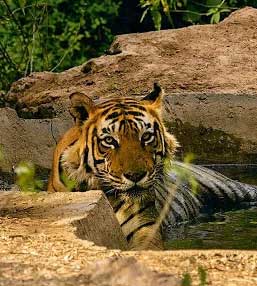
The main attraction of Sariska National Park is its population of Royal Bengal Tigers. After facing extinction in the early 2000s, Sariska became the first reserve in the world to successfully relocate tigers through a reintroduction program. Today, the park is home to a small but growing population of tigers, and visitors have a decent chance of spotting one, especially during the summer months when animals gather near water sources.
Apart from tigers, Sariska boasts a variety of wildlife including leopards, striped hyenas, jackals, sambar deer, chital, nilgai, wild boar, langurs, and more. Bird watchers will also be delighted with over 200 species of birds, such as crested serpent eagles, peafowls, woodpeckers, and sand grouse.
2. Diverse Landscape and Flora
Sariska lies in the Aravalli hill range, offering a landscape of dry deciduous forests, rocky hills, and grasslands. The forest mainly comprises dhok trees, with patches of bamboo, acacia, and other desert vegetation. This diverse terrain not only supports varied wildlife but also provides a scenic backdrop for safaris and photography. The contrast between the green forest cover and the arid surroundings creates a striking visual appeal.
3. Safari Experience
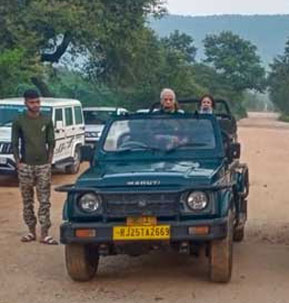
The park offers jeep and canter safaris in designated zones, allowing visitors to explore the interiors of the sanctuary. The safaris are guided by trained naturalists who provide insights into the ecosystem and increase the chances of wildlife sightings. The thrill of driving through the forest in search of tigers and other animals is an unforgettable adventure, suitable for families, photographers, and solo travelers alike.
4. Cultural and Historical Attractions
Sariska is not just about wildlife. The park is home to several historical and cultural sites that add depth to your visit. The Kankwari Fort, located deep inside the reserve, offers panoramic views and a haunting history — it was once the prison of Aurangzeb’s brother, Dara Shikoh. The Pandupol Temple, dedicated to Lord Hanuman, attracts pilgrims and is associated with the Mahabharata epic. There are also ancient temples from the 10th and 11th centuries scattered across the park.
5. Easy Accessibility and Weekend Getaway
Sariska is conveniently located around 200 km from Delhi and 110 km from Jaipur, making it an ideal weekend getaway from both cities. The proximity, combined with the opportunity to experience nature, history, and spirituality, makes it a well-rounded travel destination.